Learnings from a Design intern
Lyearn | September 2021
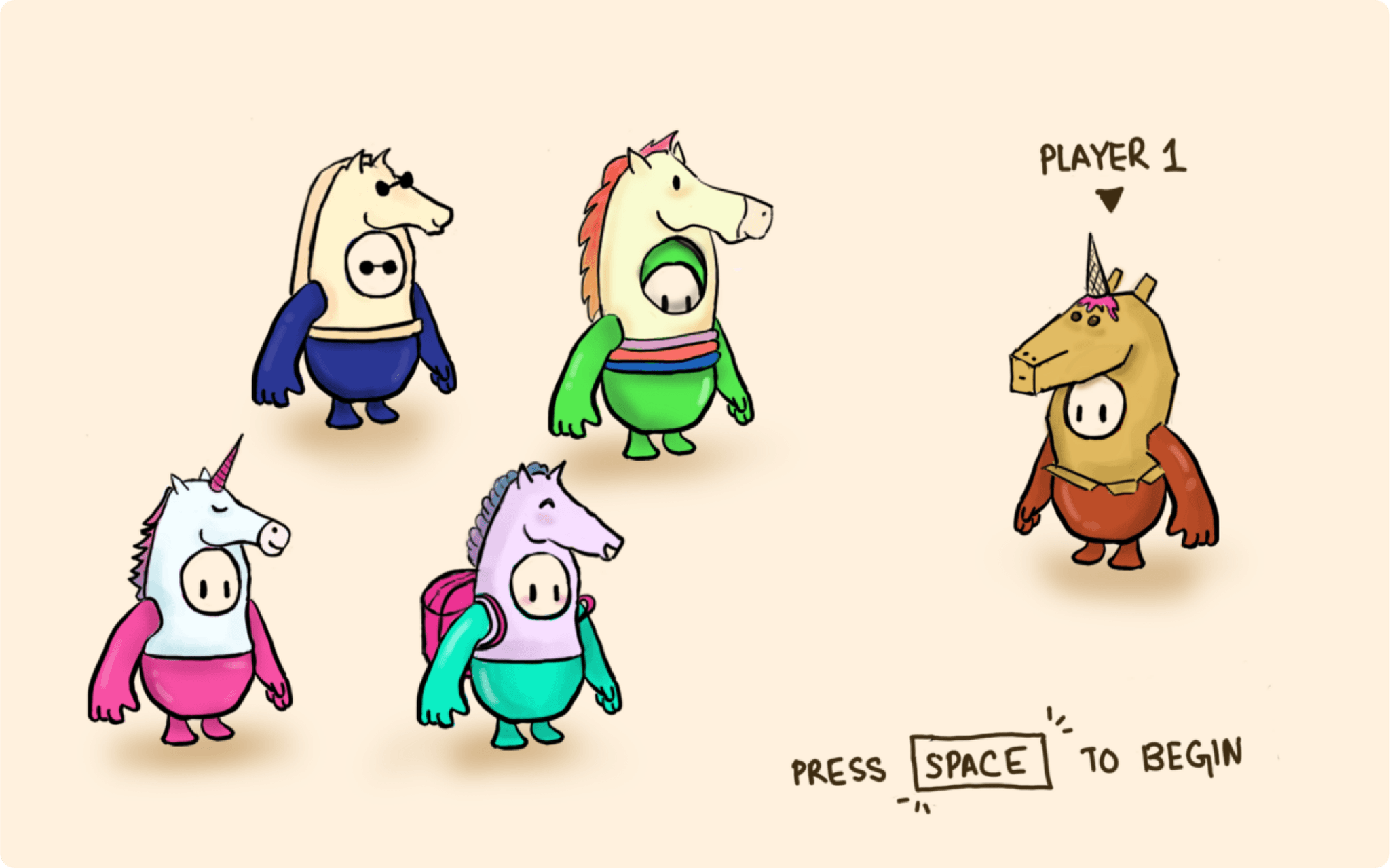
Hello internet, this is a small blog on my design internship at Lyearn…. and not just a regular internship blog as it was all remote due to you-know-what. So yeah, expect a decent amount of learnings and insights, minus the cute photos of mine in front of a wonderful office (smiling like a regular intern ready to fuck it all up on day one).
These learnings helped create a better model for me as I approached problems in life, and I believe it would help a lot of other folks who are just starting out in the industry.
A wholesome beginning
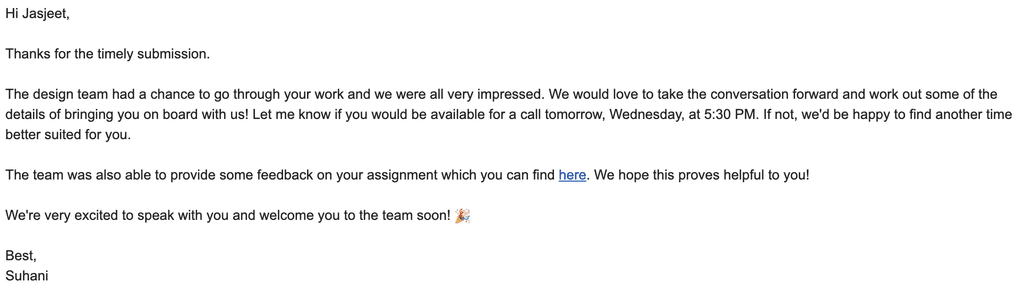
The internship began with perhaps the warmest welcome I could have ever received. Not just in the sense of how friendly everyone in the team was, but also because of how the whole interview process was so humane. I suppose a lot of young designers feel unhappy about not being able to get feedback on where we lacked in the assignments/interviews. The design team was aware of this, and hence, wrote back on-point feedback on my task. (How sweet is that?)
As I worked alongside them I realized how much everyone valued good communication. Whether it’s short, async design feedback, long design exploration sessions, or just a random check-in on huddle — everyone gave their best to have wholesome conversations.
(Over)communication is the key.
To have better interactions, talk not just about but beyond design. Talk about philosophy, discuss books, and movies, share music and participate in game nights. Hit people up and have quick 1:1 calls. I still regret not doing this enough. This helps you remove all the awkwardness you might have with your teammates, and remind you that they are also human, at last. Become friends with PMs and Devs and not just your design team, keeping in mind that you’re not the only “problem-solver” here, everyone’s in it together (You’ll be surprised how great ideas you’d never think of can come from their table).
Become a passionate storyteller
If you ever come on one of the monthly calls where Mukul and the whole product team discuss Lyearn’s vision, and how are we going ahead with it on the roadmap, it will feel like you’re one of the naive kindergarteners listening to the experienced grandpa imparting wisdom as he tells you one of his favorite stories.
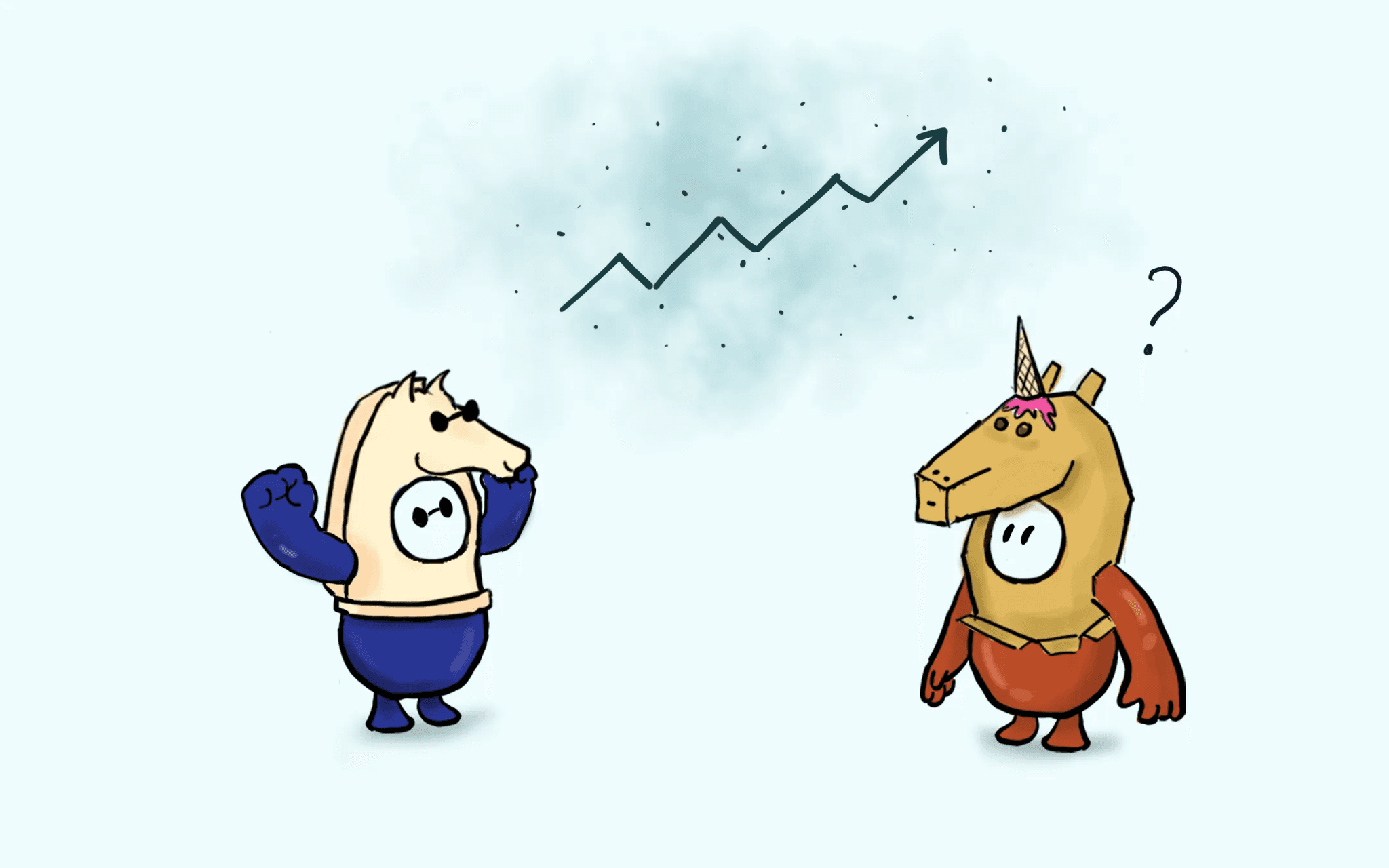
Apart from understanding the product better, the thing to learn from those calls is that when you have electric clarity on the matter, you’ll easily have the right words and ways to explain it to anyone.
Find the core principles behind the product. Every product has a story to tell.
“What I want you to do, is not just take any task as if it's just a design ticket…”, Mukul said, “I want you to continuously question yourself, what would our users get out of it? and what we would get out of it?”
For a while, I didn’t really understand how questioning yourself this way would help. But what it does to you is have you work on the very first step that you hear about when you are introduced to the “design process”. Remember empathy?
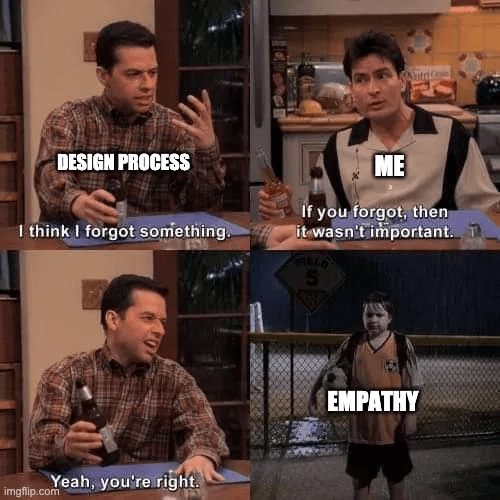
Where I came from, you usually pick up a “dummy problem statement” that has the problem already well defined. In the initial stages of self-learning design, you don’t get to worry about exploring the problem area so much because of this, even though we’re taught later to do just the opposite. You can work around a quick case study in a couple of days without interpreting the deeper meaning behind the issue.
Bring yourself closer to the fundamental principle(s) the product is based on and it will serve as a guiding spirit throughout your journey of solving problems.
Working with MVPs
Lyearn’s platform can be said to be in its youth as I began contributing to it. I got a more realistic perspective on how design really works at such a stage. Working in cycles, setting up your appetite, and innovating amidst set constraints becomes a necessary skill to ship out a delightful product that just does enough (Contrary to what one might think, there’s still plenty of room to learn and design in each cycle).
Become insanely curious
One of the things I have been trying to do is bring back that child-like curiosity we used to have for things (I remember myself being addicted to space and video game tech as a kid). This applies again, not just in design but beyond it as well.
Pick up the icon no one’s interested in making for finishing up that last bit of the project. These little things and the 1% improvements seem boring at first, but do even these passionately and see how the resulting work turns out to be way more interesting than you thought. (I quite surprised myself as it happened on one of the projects I worked on with Sarvesh)
Work closely with what your team is building, go to the demo platform and go wild. Experience what you built, find bugs, break the UI, and have it fixed. Pick up new hobbies, optimize your daily content consumption to learn what people are building around you, and become insanely curious about what problems are being solved.
It’s one of the things, Master Su (Suhani) always pushed me to do. It's one of the things I think became possible through Design.
Come out of your shell. Become an active participant.
Seek and ye shall find ways to be helpful.
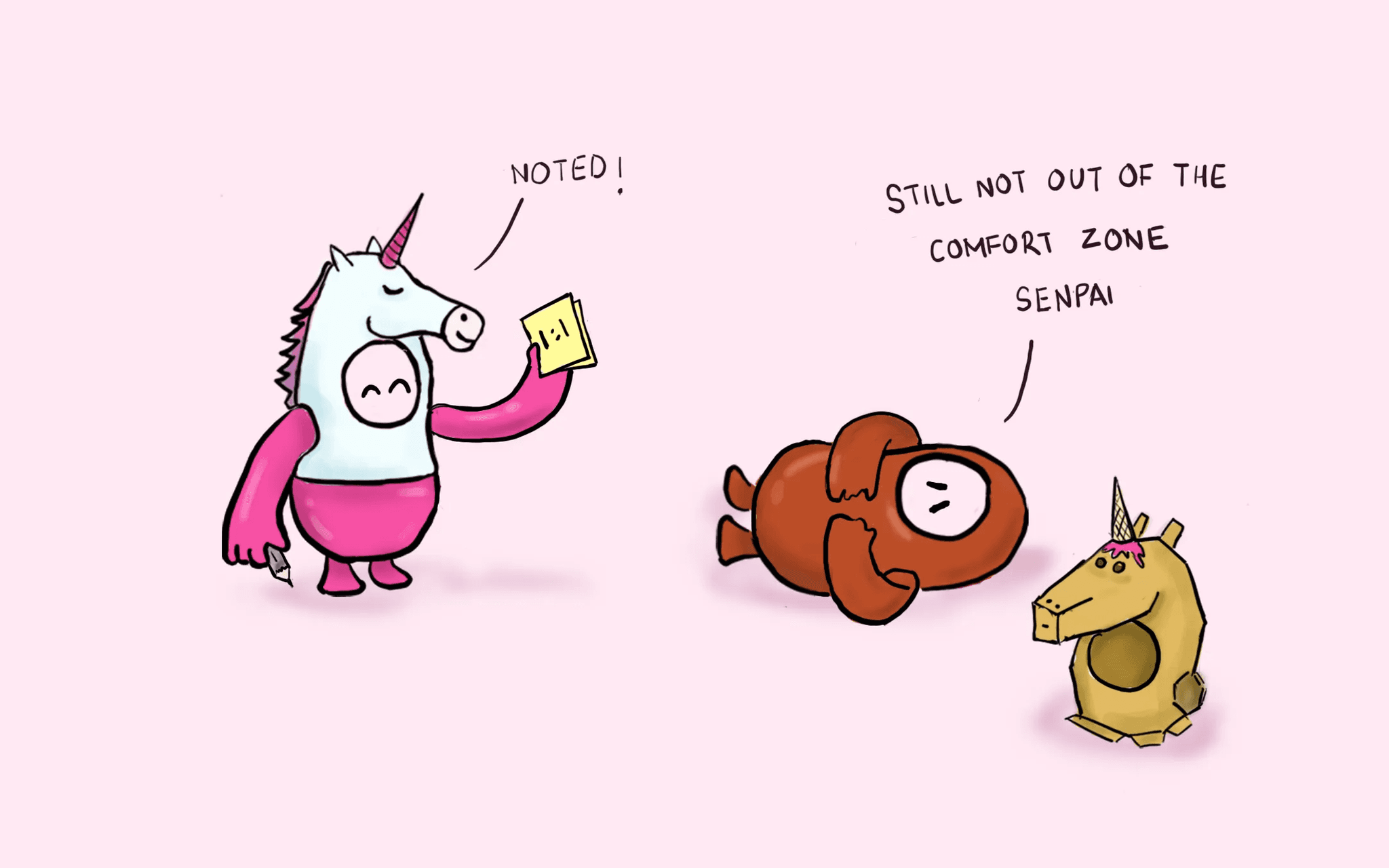

Suhani on her nth 1:1 session with me :3
Welcome to the party…
It would be impossible to mention how much I learned about the little things that matter and nitty-gritty work without mentioning Pooja. At Lyearn, was my first encounter with a design system.
The thing you can learn from her is how to leave no loose ends at the closing of a project. From ensuring every token is in place, to organizing screens in a way a dev could understand everything easily, you get to learn how delicately and compassionately you can work on the UI (Which I assure you took quite a while for me to learn. To Pooja and the team, it must have felt like training a wild Pokemon).
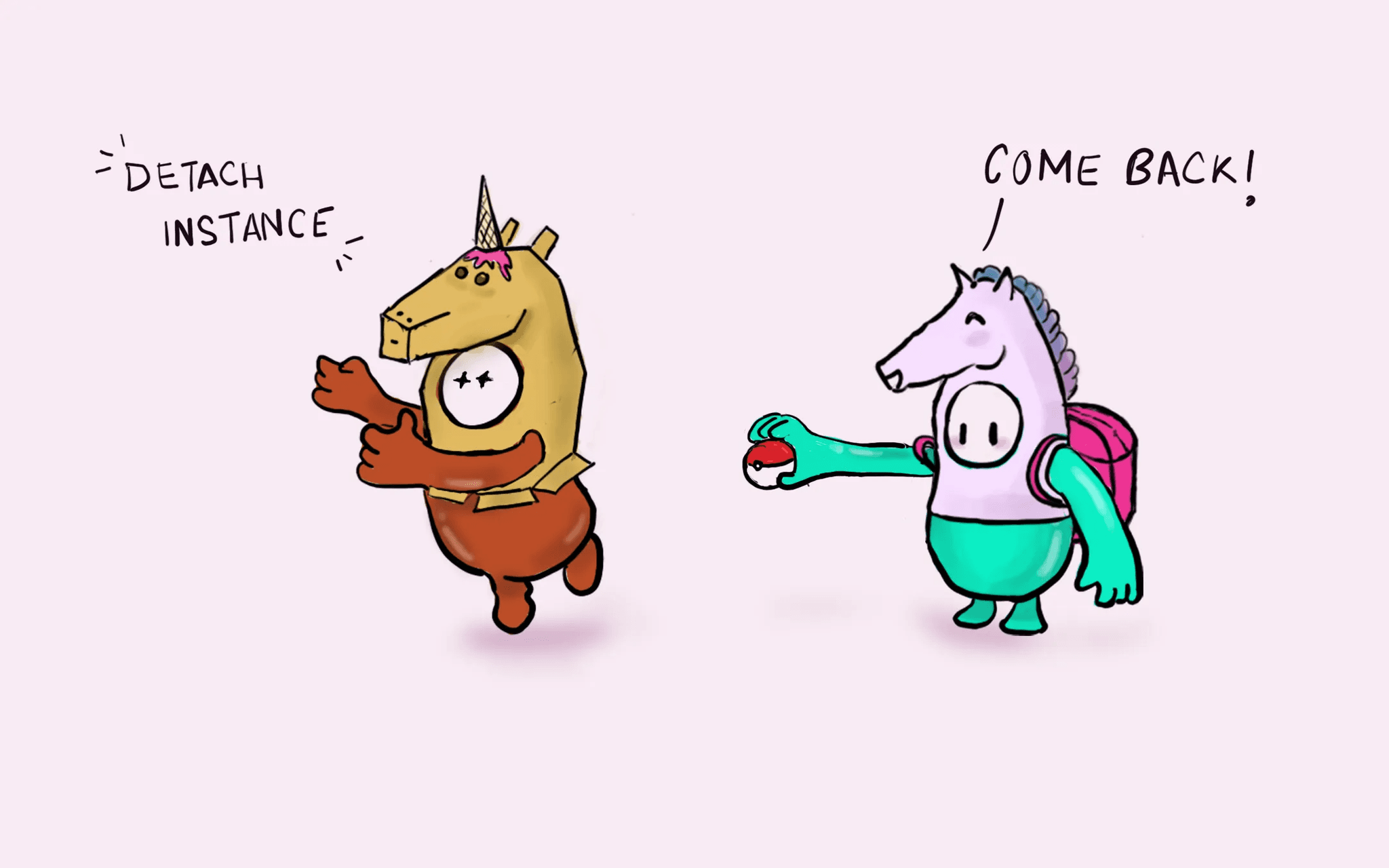
What seemed like little inconveniences and labor work that I’d rather frown upon earlier, turned into a more meditative practice.
It was like being a saint, treating every bit of your creation with kindness while having an open heart for all the little issues that come along the way of your creation and saying… Welcome to the party.
Closure
When you enter the design community much as I did, you hear a lot about how design is about creating an “impact”. You see a lot of portfolios claiming to make “impactful human experiences” while you wonder if you should write that on your own. But the only thing you’re close to doing is designing the damn fest poster and you can’t even choose a good font. How the hell are you ever gonna create an impact? Confused, you just go with the flow, doing everything under the banner that is this glamourized idea that your work is someday going to change people’s lives.
Somewhere along the way, when you enter this auto-pilot mode, going with wherever the flow takes you, this idea starts to fade away. You don’t think too much about these deep questions that intend to find the meaning behind what you do.
Something happened last year, which for me was like a slap in the face. It woke me up as it all came back to the surface and I was being questioned once again on what exactly am I even doing. Having never empathized and tried my best at solving my own problems, let alone the ones I tried to in pursuit of learning “design”, I had no answer. It all fell apart.
How do I dream to make a dent in the universe when I could barely solve my own little problems and of those around me?
I ponder upon this a lot. And while I still don’t have a concrete philosophy, this question helps me drive and take more mindful decisions. It became an aspiration to approach every problem with this mindset and solve them earnestly. To have this image of a designer, however overrated be kinda woven into my identity.
This year, especially the last 6 months of the internship was like a restoration of my beliefs and confidence in design. I am pretty sure whatever I have said must have been said a lot of times before, of course, I didn’t write any discovery. I might even be wrong or inaccurate in a lot of places, but for the time being, it helped me become a little bit of the designer I once daydreamed of being. I guess that’s reason enough to write :)
Thank you so much for reading this, I hope you did, if not at least smile at the doodles (took me a while to make those).
Happy Designing, cheers. :D